Spare Parts Storage in Saudi Arabia: The 2026 Guide to Protecting Inventory
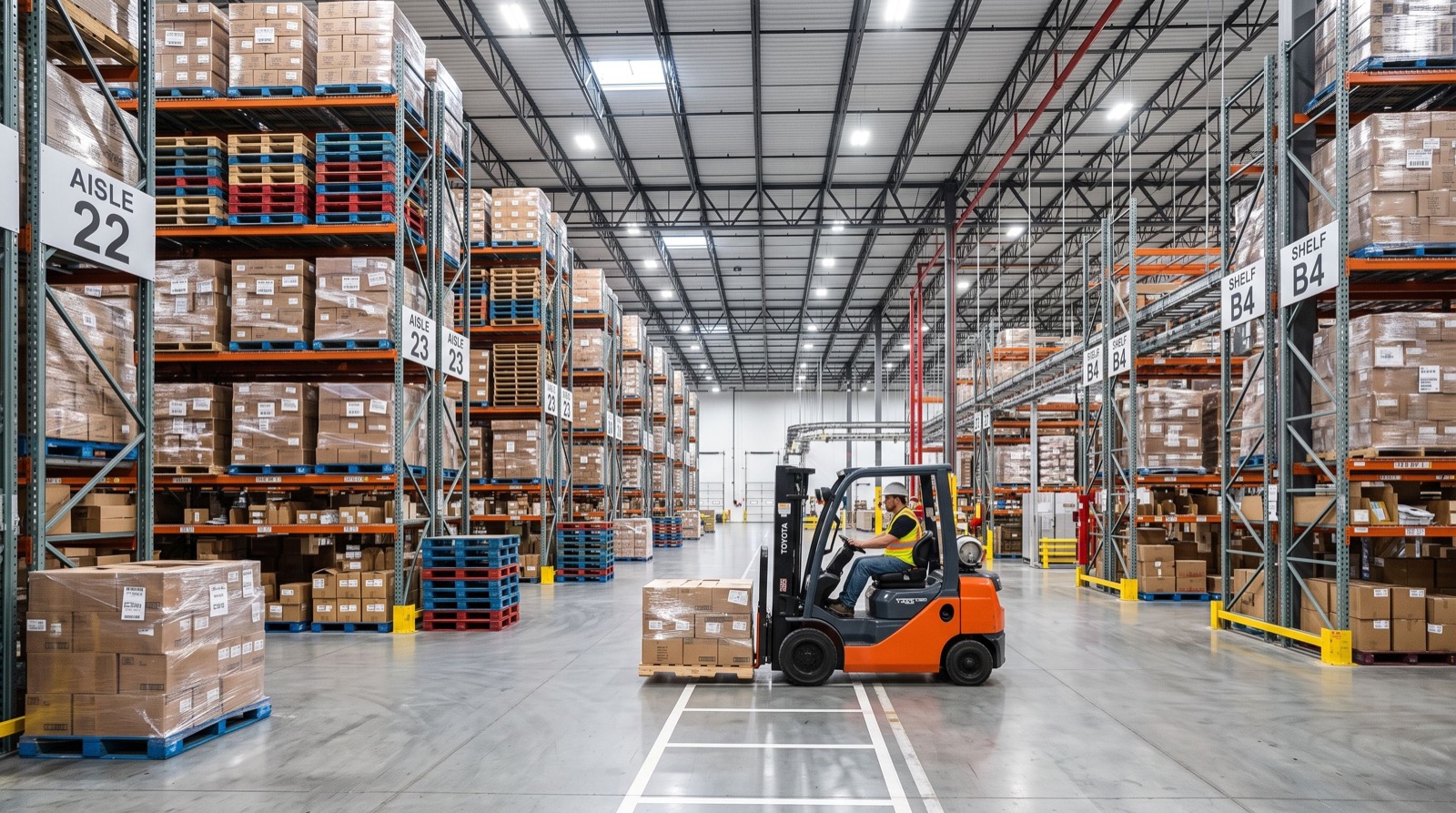
Spare parts storage is the quiet backbone of every workshop, fleet operator, and manufacturer in Saudi Arabia. When a critical component sits in a clean, climate-appropriate warehouse instead of a dusty back room, you cut downtime, protect margins, and keep customers happy. In 2026, with the Kingdom’s industrial and automotive sectors expanding under Vision 2030, smart spare parts storage has moved from an afterthought to a genuine competitive advantage.
This guide walks through how to store spare parts correctly, what conditions matter most, and how a professional storage partner in Riyadh or Jeddah can help you scale without buying a warehouse of your own.
Why Spare Parts Storage Matters More Than You Think
A single missing gasket, sensor, or bearing can idle an entire production line. Poorly stored parts corrode, warp, or simply get lost, and the cost of an emergency reorder often dwarfs the value of the part itself.
Good storage protects three things at once: the physical part, your working capital tied up in inventory, and the service promise you make to customers. Companies that treat storage seriously see faster order fulfilment and fewer write-offs.
Automotive workshops, HVAC contractors, and industrial maintenance teams all rely on organized, retrievable inventory. That is exactly where a dedicated solution such as Storage for Spare Parts pays for itself, giving you shelving, security, and a controlled environment tuned to sensitive components.
The hidden cost of doing it in-house
Renting extra floor space, buying racking, hiring staff, and managing security adds up fast. Many small and mid-sized firms discover that outsourcing storage costs less per unit than the fully loaded expense of a private stockroom.
What Conditions Do Spare Parts Need?
Not every part needs the same treatment. Rubber seals hate heat. Electronics hate humidity. Precision metal parts hate condensation. Matching the part to the right environment is the single biggest factor in preventing loss.
Saudi Arabia’s climate makes this critical. Summer temperatures in Riyadh routinely exceed 45°C, and coastal humidity in Jeddah accelerates corrosion. According to the ISO 9001 quality management framework, controlled storage conditions are a documented requirement for many certified supply chains.
| Part Type | Ideal Environment | Main Risk If Stored Wrong |
|---|---|---|
| Electronic sensors & ECUs | Low humidity, stable temperature | Corrosion, short circuits |
| Rubber seals & hoses | Cool, dark, ambient | Cracking, dry rot |
| Bearings & precision metal | Dry, condensation-free | Rust, pitting |
| Filters & consumables | Clean, dry ambient | Contamination, moisture damage |
| Lubricants & fluids | Temperature-stable | Separation, degradation |
For parts that only need a stable, moderate climate rather than refrigeration, an option like Ambient Storage In Riyadh offers a cost-effective middle ground: protection from extreme heat and dust without the premium of full climate control.
How to Organize a Spare Parts Warehouse
Storage is only half the battle. Retrieval is the other half. A part you cannot find in 60 seconds might as well not exist.
Here is a proven approach that professional warehouses use:
- Categorize by movement speed. Fast-moving parts go near the packing area; slow movers go deeper into the racks.
- Use a clear labeling system. Barcodes or QR codes tied to a simple inventory sheet beat handwritten tags every time.
- Apply FIFO for consumables. First in, first out prevents shelf-life expiry on filters, fluids, and rubber goods.
- Zone by environment. Keep humidity-sensitive electronics away from doors and loading bays.
- Audit quarterly. A regular count catches shrinkage and reveals dead stock you can liquidate.
A practical tip from the warehouse floor
Photograph each shelf bay and store the images alongside your inventory list. When a new staff member picks orders, a visual reference cuts training time dramatically and reduces mis-picks. This small habit has saved teams hours during peak season.
Personal Business Storage vs Dedicated Warehousing
Small operators sometimes start with a personal storage unit and graduate to full business warehousing as volume grows. Both models work; the right one depends on your turnover and how often you need access.
- Self-storage units: Ideal for seasonal overflow or a startup with a modest catalogue.
- Managed warehousing: Better for firms needing pick-and-pack, receiving, and 24/7 security.
- Hybrid arrangements: Keep fast movers close and archive slow stock in a larger, cheaper facility.
When comparing providers, look for genuine local experience and transparent pricing. Working with quality service providers who understand your industry saves you from generic warehouses that treat a precision bearing the same as a cardboard box.
Is Outsourced Spare Parts Storage Worth It in 2026?
For most growing businesses, yes. The Kingdom’s logistics sector is one of the fastest-growing in the region, and third-party storage lets you convert a fixed cost into a flexible one. You pay for the space you use and scale up during busy periods without a long lease.
The break-even point usually arrives sooner than owners expect once you factor in racking, insurance, security, and staff. Outsourcing also frees your team to focus on selling and servicing rather than counting shelves.
Frequently Asked Questions
How should spare parts be stored to prevent damage?
Store parts by sensitivity: keep electronics in low-humidity zones, rubber goods cool and dark, and metal components dry to avoid rust. Clear labeling, proper shelving, and a temperature-appropriate environment prevent the most common forms of damage.
What is the difference between ambient and climate-controlled storage?
Ambient storage keeps goods protected from extreme heat, dust, and pests at a stable moderate temperature, while climate-controlled storage adds active humidity and temperature regulation. Ambient works well for most durable spare parts; climate control suits highly sensitive electronics.
How much does spare parts storage cost in Saudi Arabia?
Costs vary by space, security level, and access frequency. Outsourced storage is typically cheaper per unit than a private stockroom once you include racking, insurance, and staffing. Request a tailored quote based on your inventory volume.
Can I access my stored parts anytime?
Reputable facilities offer flexible access, and many provide managed pick-and-pack so your parts are retrieved and dispatched for you. Confirm access hours and retrieval turnaround before signing.
Conclusion
Smart spare parts storage in 2026 is about matching each component to the right environment, keeping inventory retrievable, and choosing a partner who understands Saudi conditions. Whether you need ambient space in Riyadh or a fully managed warehouse, the payoff is less downtime and healthier margins. Ready to protect your inventory and free up your workshop? Reach out to a trusted Saudi storage specialist today and get a plan built around your parts, your volume, and your growth.