Drive-Thru Systems in Saudi Arabia: The 2026 Speed and Accuracy Playbook
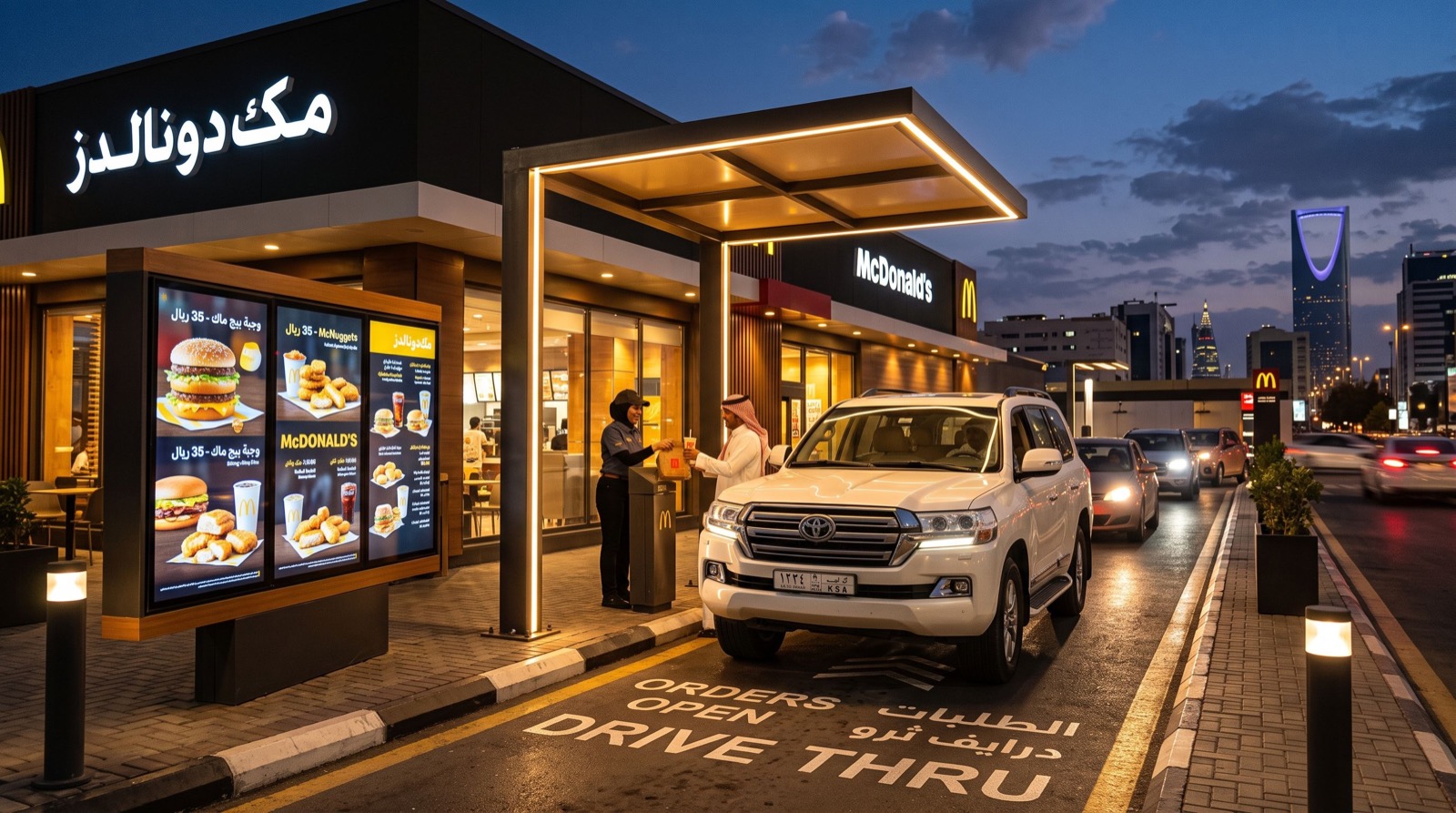
Fast, accurate lanes are the heartbeat of modern quick-service, and drive-thru systems in Saudi Arabia are evolving faster than ever in 2026. From Riyadh coffee chains to national burger brands, operators know one truth: the customer in the car judges you by seconds. Shave time off each order and you serve more cars, earn more revenue, and build loyalty that keeps them coming back.
This playbook covers how the technology works, how scanning hardware boosts accuracy, and how to build a lane that runs smoothly during the lunch rush. Whether you manage one restaurant or fifty, the fundamentals of speed and accuracy apply to every lane.
Why Drive-Thru Systems in Saudi Arabia Are Booming
Convenience culture is thriving in the Kingdom. Busy schedules, hot weather, and a mobile-first population all push customers toward ordering from the comfort of their vehicles. That demand has made the drive-thru a battleground for market share.
The winners are not simply the fastest brands; they are the most consistent. A lane that delivers accurate orders in predictable time earns trust. Technology, from timers to headsets to scanners, is what makes that consistency possible.
The Two Metrics That Decide Everything
- Speed of service: total time from arrival to handoff, measured per car.
- Order accuracy: the percentage of orders delivered exactly right the first time.
Improve both at once and you unlock higher throughput without sacrificing quality. Sacrifice one for the other and customers notice immediately.
How a Modern Drive-Thru System Works
A high-performing lane is a chain of connected tools, each removing friction from a specific moment in the journey.
- Detection: vehicle loops or sensors log each car and start the timer.
- Ordering: crystal-clear headset audio and a confirmation screen capture the request.
- Routing: orders flow instantly to kitchen display screens.
- Payment and scanning: loyalty codes and coupons are scanned at the window.
- Handoff: staff verify and deliver, then the timer stops and logs the result.
The best communication backbone for this chain comes from proven audio and timer platforms. A reliable HME drive thru in saudi arabia setup gives crews clear headset audio and precise lane timers, which are the foundation of consistent speed during peak hours.
How Scanning Hardware Improves Accuracy
Speed means little if the order is wrong. This is where barcode scanning transforms the window. When staff scan a loyalty app, a mobile coupon, or a QR code, the system applies discounts and confirms items instantly, removing manual entry errors.
Reliable hardware matters here. A rugged hands-free scanner such as the Honeywell Vuquest 3320g reads codes quickly from phone screens even in bright sunlight, which keeps the window moving and the orders correct. Fewer keystrokes mean fewer mistakes and faster payment.
Why Screen Scanning Is Harder Than It Looks
Reading a barcode off a glossy phone in direct desert sun is a real challenge. Glare, cracked screens, and low brightness all defeat cheap scanners. Purpose-built imagers handle these conditions, which is why hardware choice directly affects your throughput.
Building a Lane That Survives the Rush
Rush hour reveals every weakness. A lane that feels fine at 10 a.m. can collapse at 1 p.m. Smart operators design for the peak, not the average.
| Component | Role | Impact on the Rush |
|---|---|---|
| Lane timers | Measure each stage | Expose the real bottleneck |
| Headset audio | Clear order-taking | Fewer repeats and errors |
| Confirmation screen | Show the order back | Catches mistakes early |
| Barcode scanner | Apply loyalty and coupons | Faster, accurate payment |
| Dual lanes | Split order and pay | Higher cars per hour |
Data from lane timers is your most honest coach. According to the QSR Magazine annual drive-thru studies, brands that track and act on stage-by-stage timing consistently outperform those that guess. Measure first, then fix the slowest step.
Practical Rush-Hour Tips
- Pre-stage popular items during predicted peaks.
- Add an order-taker on a tablet outside during heavy traffic.
- Keep scanners charged and lenses clean to avoid re-scans.
- Review timer reports weekly and coach the slowest stage.
Design for the Local Climate
Desert heat is not a minor detail; it shapes hardware choices in the Kingdom. Equipment mounted at the window faces direct sun, dust, and high temperatures for most of the year. Components rated for harsh conditions last longer and fail less often, which protects both uptime and your budget.
Audio clarity also suffers when air conditioning, traffic noise, and idling engines compete with the order-taker. Noise-cancelling headsets and weather-sealed speaker posts keep communication crisp, so orders arrive correct the first time even during the busiest afternoon rush.
Choosing the Right Technology Partner
Great hardware installed by the wrong team still underperforms. Look for a partner who handles design, installation, and long-term support, not just a box on a shelf.
Favor quality service providers with real restaurant deployments, local support engineers, and a clear maintenance plan. The difference between an average lane and a market-leading one is usually the support behind it, not the badge on the equipment.
Frequently Asked Questions
What makes drive-thru systems in Saudi Arabia different?
The Kingdom’s climate, bilingual customer base, and high convenience demand shape the design. Systems need bright-readable scanners, clear Arabic and English audio, and rugged hardware built for heat, plus local support for fast uptime.
How much can technology cut drive-thru wait times?
Results vary by brand, but operators who add timers, clear headset audio, and fast scanning commonly trim meaningful seconds from each car. Because the effect multiplies across every vehicle, even small gains add up to more cars served per hour.
Why does barcode scanning matter at the window?
Scanning loyalty apps and coupons removes manual entry, which is both slow and error-prone. A fast, sunlight-readable scanner keeps the payment step quick and the order accurate, protecting both speed and satisfaction.
Can existing lanes be upgraded without a rebuild?
Yes. Most modern audio, timer, and scanning components retrofit into existing lanes. A good partner audits your current setup and upgrades the weakest links first, so you gain performance without a full reconstruction.
Conclusion: Win the Lane, Win the Market
In 2026, the best drive-thru systems in Saudi Arabia combine clear communication, precise timing, and reliable scanning to deliver speed and accuracy together. Invest in rugged hardware, measure every stage, and partner with a team that supports you after installation. Do that, and your lane becomes a genuine engine of growth.
Ready to upgrade your lane for the next rush? Contact an experienced drive-thru specialist, request a site assessment, and start serving more cars, more accurately, starting today.